
 Español


Published on October 25, 2026. English version of a Greenyway article first published in Spanish on November 24, 2016.
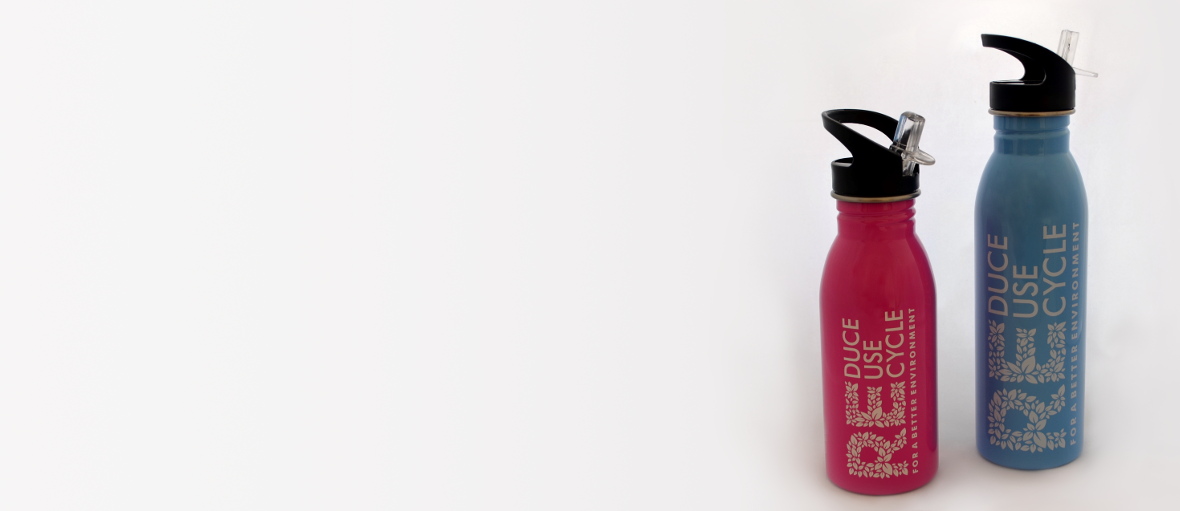
Greenyway reusable bottles are made of stainless steel and contain no BPA. But what exactly is BPA, what does it mean for a container to be "BPA free", and why is the European Union removing it from food contact materials?
What is BPA?
BPA (bisphenol A) is an industrial chemical used since the 1950s to make polycarbonate plastics and epoxy resins, found in food and drink containers and in the inner coatings of cans. It can migrate from the material into its contents, especially when the container is heated or worn by repeated washing.
Why is BPA a concern?
In 2023, the European Food Safety Authority (EFSA) re-evaluated the risks of BPA in food. It set a new tolerable daily intake 20,000 times lower than the temporary one from 2015, and concluded that estimated dietary exposure exceeds that level, which is a health concern for all age groups.
Following that assessment, the EU adopted Regulation (EU) 2024/3190, in force since 20 January 2025, banning the use of BPA in the manufacture of materials intended to come into contact with food: plastics, varnishes and coatings, adhesives, printing inks, silicones and rubbers. The regulation includes very limited exceptions and transitional deadlines by product category, so that items already manufactured can gradually leave the market. The direction is clear: BPA is on its way out of food packaging.
Does stainless steel contain BPA?
Not in the body of the bottle. 18/8 stainless steel (also called 304) is an alloy of iron, chromium and nickel that needs no plastic inner coating. What is worth checking are the accessories: lids, seals and straws can be made of other materials, and that is where the composition matters.
What does "BPA free" mean?
It is a manufacturer's indication that the product has no added bisphenol A. One important nuance: by itself it says nothing about other related bisphenols, such as BPS, that some manufacturers use as a substitute; Regulation (EU) 2024/3190 also restricts other bisphenols considered hazardous. To avoid the doubt in the body of the container, one option is to choose materials that need no coating, such as stainless steel or glass, and check the composition of lids and seals.
Bottle materials compared
- Plastic: light and cheap. Depending on the type, it can contain bisfenols: polycarbonate, for example, is made with BPA.
- Glass: does not alter the taste and recycles well, but it is fragile and heavy.
- Aluminium: light, though it dents easily; its inner resin coating may contain bisphenols, depending on the manufacturer.
- Stainless steel: tough, durable, and the body needs no coating. It is the material we chose at Greenyway.
Frequently asked questions
Does bottled water in plastic contain BPA? BPA is used above all in polycarbonate plastics and in the epoxy resin coatings of cans, so it is worth checking what material each bottle is made of.
Is BPA banned in baby products? The EU banned BPA in polycarbonate baby bottles in 2011 (Directive 2011/8/EU). Regulation (EU) 2024/3190 now extends the restriction to food contact materials in general.
How do I know if my aluminium bottle contains BPA? If its inside has a resin layer, usually golden or whitish, that layer may contain bisphenols, depending on the manufacturer. The body of a stainless steel bottle has no such coating.
From the very beginning, the Greenyway project was about offering reusable bottles free of BPA. We researched every material until we were sure, and that is why our bottles are stainless steel: the body contains no BPA and needs none.
Sources
- EFSA, "Re-evaluation of the risks to public health related to the presence of bisphenol A (BPA) in foodstuffs" (2023): efsa.europa.eu
- Regulation (EU) 2024/3190, official text: eur-lex.europa.eu
- Directive 2011/8/EU (BPA in baby bottles), official text: eur-lex.europa.eu